Rats evaluate odors, textures, sounds, and social cues to balance food rewards against predation risk. Predator kairomones and alarm pheromones can trigger avoidance rat repellent sound, but effects are short lived and species-specific. Ultrasonic and intermittent audible noises provoke flight briefly but habituation and acoustic limits reduce long-term utility. Single-sense DIY tactics often fail when food, shelter, or social information override discomfort. Practical control combines habitat sealing, food removal, rotated novel cues, and monitoring—more practical guidance follows.
How Rat Senses and Instincts Decide Risk vs Reward
Using a combination of olfactory cues, tactile feedback, and learned spatial memories, a rat rapidly evaluates the trade-off between potential rewards and perceived risks.
It conducts systematic risk assessment https://igreenasia.com/, sampling scents and textures to estimate food value versus exposure.
Foraging tradeoffs are resolved by balancing energy gain against predation and unfamiliarity; cautious individuals exhibit pronounced neophobia, reducing exploration until cues indicate safety.
Social learning accelerates decision-making: observing conspecifics reduces uncertainty, enabling freer access to profitable sites without needless exposure.
Experimental data show flexible thresholds tuned by hunger, prior encounters, and group context.
The pragmatic result is an adaptive algorithm: minimize danger while maximizing intake, adjusted through experience and social information to preserve autonomy and survival.
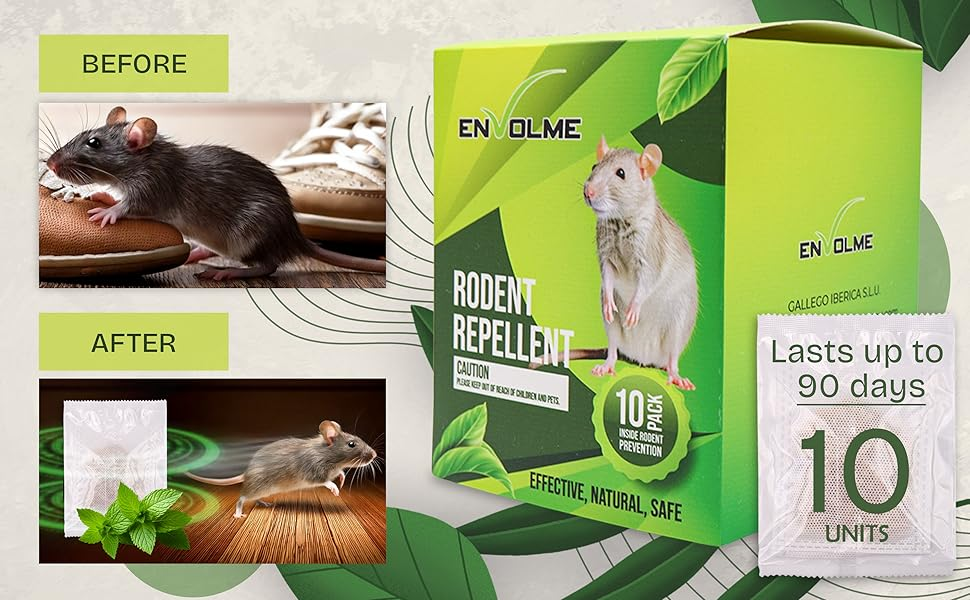
Which Smells Repel Rats : Pheromones, Predator Scents, and Household Odors
In evaluating olfactory deterrents, researchers distinguish between innate signals (pheromones and predator odors) and learned aversive cues from household sources, each differing in potency, duration, and context-dependence.
Studies show kairomones from predators trigger immediate avoidance by leveraging hardwired fear circuits; synthetic predator scents can reduce activity short-term but require replenishment and spatial coverage.
Pheromonal manipulation is complex: alarm pheromones repel conspecifics but degrade rapidly and vary by species.
Household odors—ammonia, strong spices, and commercial formulations—produce mixed results; some induce temporary displacement, others habituation.
Evidence supports modest effect from citrus aversion in constrained settings and limited success with eucalyptus repellents when concentrated.
Practical application prioritizes integrated strategies, monitoring, and targeted placement rather than sole reliance on smells.
Which Sounds Affect Rats : Noise Types, Frequencies, and Limits of Ultrasonic Devices
Odor-based deterrents often prompt consideration of acoustic options as complementary or alternative measures; sound influences rat behavior through different sensory pathways and presents distinct advantages and limitations. Research shows ultrasonic signals can cause avoidance but effectiveness wanes with habituation; ultrasonic limitations include attenuation, directionality, and interference from structures. Audible stressors (e.g., intermittent loud noises) provoke immediate flight but raise welfare and nuisance concerns. Practical interventions combine targeted frequencies, variable schedules, and habitat modification rather than rely solely on devices.
| Sound type | Typical effect |
|---|---|
| Ultrasonic (20–60 kHz) | Short-term avoidance; subject to ultrasonic limitations |
| Audible intermittent | Acute displacement; potential welfare/nuisance issues |
Evidence supports pragmatic, freedom‑respecting approaches emphasizing behavior ecology over single‑tool reliance.
Why Common DIY Repellents Fail and When They Actually Help
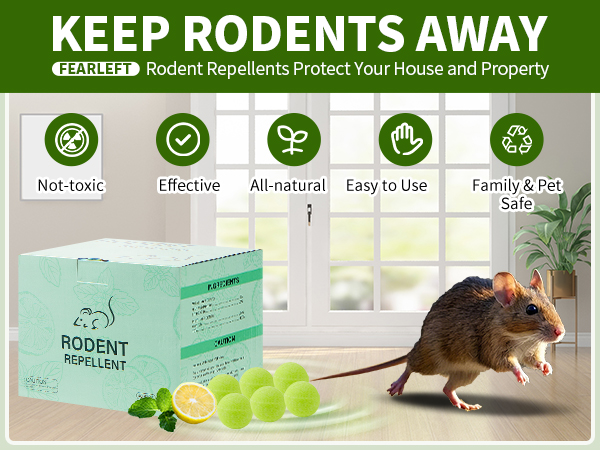
Many common do‑it‑yourself repellents fail because they address singular sensory cues or provide transient discomfort rather than altering the ecological drivers of infestation.
Research shows scent, taste, or noise tactics often yield temporary efficacy: rodents habituate, move slightly away, or ignore weak stimuli when food, shelter, or breeding needs remain.
DIY measures can help in targeted scenarios—small, preventative efforts in low‑density settings or as interim tactics during exclusion work—but their success depends on placement importance, dose, and persistence.
Practical evaluation requires measuring activity before and after, avoiding overreliance on one method, and prioritizing interventions that change resource availability.
Evidence‑based, freedom‑oriented decision making treats DIY repellents as limited tools within a broader pest‑management strategy.
Practical, Humane Strategies That Use Rat Psychology Effectively
After acknowledging the limits of single-cue DIY tactics, a pragmatic approach harnesses known aspects of rat behavior—neophobia, spatial memory, foraging heuristics, and social learning—to reduce conflict without lethal measures.
- Seal and simplify: habitat modification that removes shelter and travel corridors limits safe movement; block entry points and declutter to increase perceived risk.
- Consistent food management: remove food cues, secure bins, and schedule composting to reduce reward-driven exploration and disrupt learned routes.
- Strategic aversion: use temporary novel scents or textures at key access points to exploit neophobia while rotating tactics to prevent habituation.
- Targeted exclusion and monitoring: deploy nonlethal traps, camera checks, and prompt relocation where legal, pairing data-driven interventions with community autonomy and respect for life.
Conclusion
Rats weigh risks and rewards through acute senses and evolved instincts, making many simple repellents inconsistently effective. Evidence indicates certain predator odors, intense unfamiliar household smells, and specific sound exposures can deter rodents briefly, while ultrasonic devices and many DIY solutions often fail long-term. Sustainable control relies on habitat modification, exclusion, targeted sanitation, and humane deterrents informed by rodent behavior. Integrated, evidence-based strategies produce the most reliable, practical reductions in rat presence.